Improving Warmth and Energy Efficiency in Historic Homes Through Practical Insulation Techniques
Wiki Article
Sustaining a comfortable interior environment in heritage properties can be challenging due to older structural components and architectural techniques. Many heritage homes were designed with minimal consideration for contemporary energy performance standards, creating openings in barriers, flooring, and lofts that permit warmth to exit during cold months or enter during hot months. Proven methods serve a crucial role in tackling these concerns. By selecting the suitable thermal solutions and methods, residents can substantially lower power leakage while establishing a more balanced interior climate. Understanding the distinctive features of heritage houses is important to guarantee that energy retrofits are both effective and appropriate to the structure’s design.
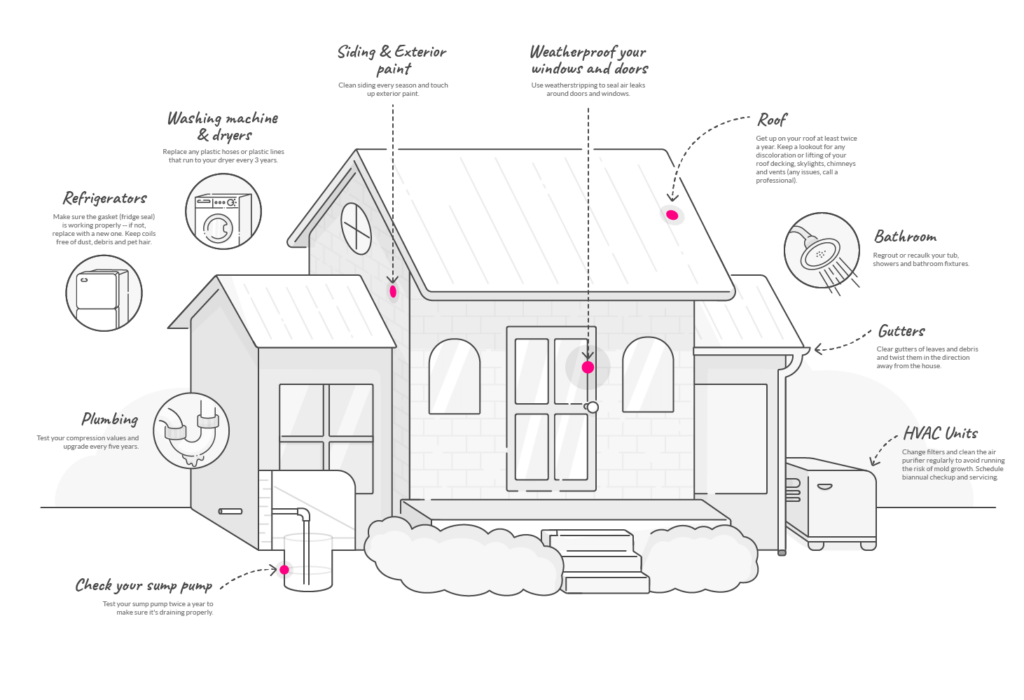
Partitions, roof spaces, and cellars are the key locations where insulation can improve energy efficiency in older houses. Roof insulation is often the most impactful, as heat naturally moves up and can quickly exit through the top structure if not adequately protected. Adding thermal layers to barriers, either through loose-fill insulation or insulating boards, can minimize air leaks and preserve a consistent indoor climate. Cellar and subfloor insulation prevents moisture and chill from penetrating into the living areas. Correctly applied thermal layers in these locations not only enhances comfort but also lowers stress on temperature control systems, producing decreased power expenses and enhanced system performance.
Glass panels and openings in classic houses often cause energy loss, even when the main energy barrier is enhanced. Single-pane windows, openings around door frames, and worn seals permit wind to enter unchecked, undermining other insulation efforts. Applying draft protection, secondary glazing, or modern replacements can assist limit air linked here leaks and preserve heat or cool air more efficiently. In conjunction with partition and loft thermal upgrades, these enhancements create a more complete approach to controlling living conditions. Correct sealing also helps reduce condensation, which can compromise structural wood and affect the home’s structural integrity.
Choosing energy barriers for heritage properties demands thoughtful consideration of the home’s construction date, architecture, and heritage characteristics. Solutions such as eco-friendly cellulose, stone wool, or foam insulation deliver different features depending on the application and function. Eco cellulose is often preferred for its environmentally friendly material makeup and ability to fit nonstandard walls. Stone wool delivers high flame resistance and noise reduction, which can be useful in vintage homes with visit site thinner walls. Polyurethane spray builds a sealed layer that successfully prevents drafts but may need expert application to prevent structural impact to delicate surfaces. Knowing these choices enables homeowners to make informed decisions that balance energy efficiency, comfort, and structural care.
Ongoing upkeep and proper installation practices are essential to maximize the benefits of insulation upgrades in heritage properties. Monitoring for openings, flattening, or settling over time maintains that the energy protection functions properly. Integrating thermal upgrades with other power-saving solutions, such as programmable thermostats or upgraded HVAC systems, improves warmth and lowers power use. By implementing proven insulation methods, property owners can maintain the character of their classic homes while enjoying a indoor climate that is cozy in cold months, cooler in summer, and more power-efficient throughout the calendar.